
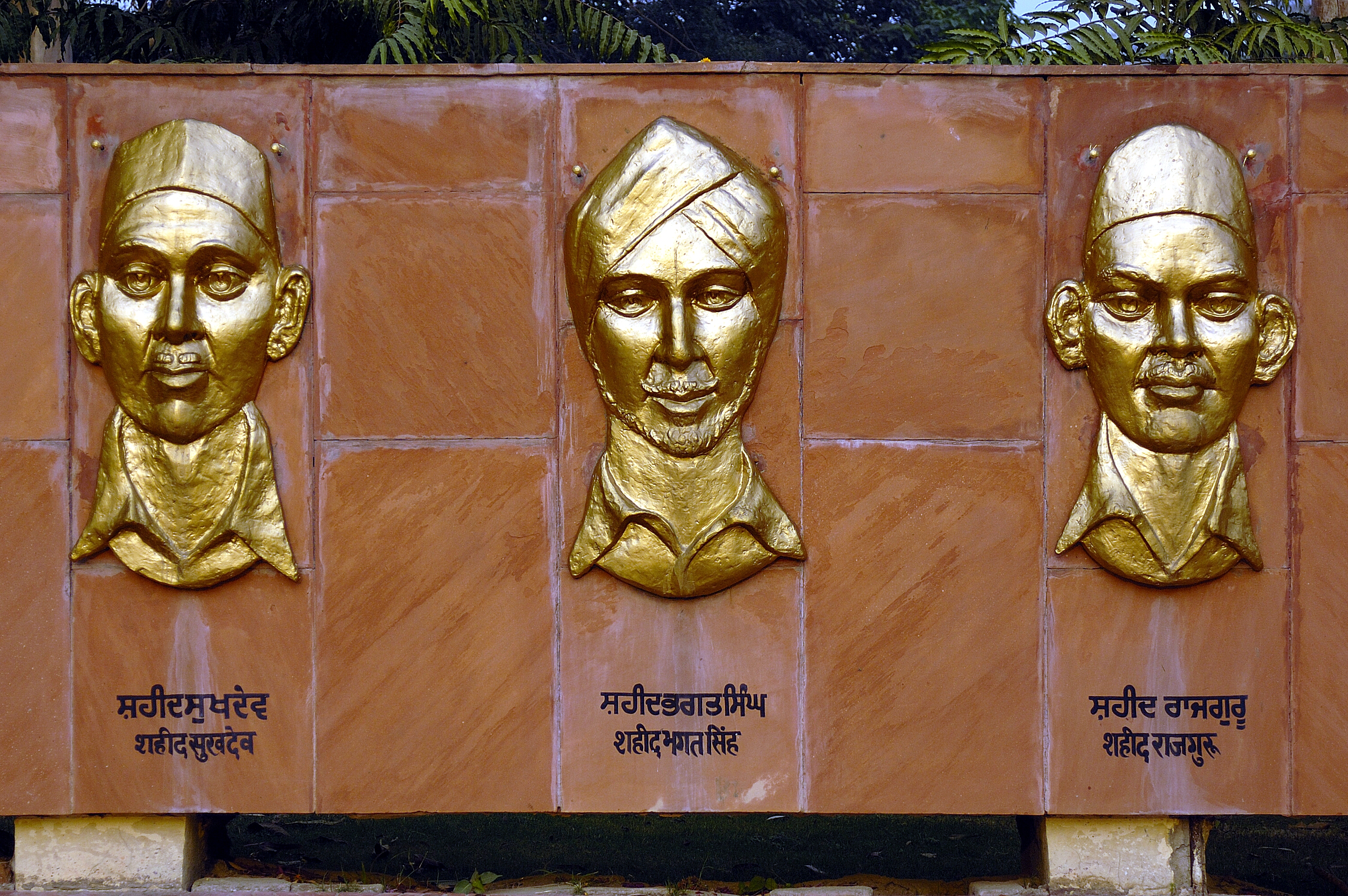
On the evening of March 23, 1931, Bhagat Singh, Sukhdev Thapar, and Shivaram Rajguru were executed by hanging at the Lahore Central Jail for their involvement in the 1928 assassination of British police officer John Saunders in the Lahore Conspiracy Case. The executions were originally scheduled for the morning of March 24, but the British authorities, fearing massive public upheaval and violent riots outside the jail, secretly advanced the execution time by eleven hours to 7:30 PM on March 23.
According to accounts from jail officials, the three young revolutionaries walked to the gallows with unflinching courage. As they mounted the scaffold, they shouted patriotic slogans including 'Inquilab Zindabad' (Long Live the Revolution) and 'Samrajyavad ka Nash Ho' (Down with Imperialism), refusing the traditional black hoods offered to condemned prisoners. Moments before the execution, Bhagat Singh had been engrossed in reading Clara Zetkin's recollection of Vladimir Lenin and reportedly asked the jail authorities for a few extra moments to finish the chapter.
Fearing popular unrest if the bodies were handed over to their families, prison authorities secretly dismantled a portion of the rear jail wall, loaded the remains onto trucks, and transported them to the banks of the Sutlej River near Hussainiwala in Firozpur district. There, in the darkness of the night, the bodies were hastily cremated using kerosene. Local villagers noticed the fires, forcing the British personnel to throw the unburnt remains into the river and flee.
When news of the premature executions broke the following morning, the nation was thrown into mourning and widespread outrage. Spontaneous hartals (strikes), demonstrations, and memorial processions erupted across major Indian cities. The execution of Bhagat Singh, Sukhdev, and Rajguru severely damaged the moral authority of the British Raj and cemented their status as 'Shaheed' (martyrs), cementing their legacy as pivotal catalyst icons of the Indian independence movement.
Why it matters
The execution of Bhagat Singh, Sukhdev, and Rajguru was a major turning point in India's anti-colonial movement. By facing the gallows at such a young age with unyielding bravery, they inspired an unparalleled surge of nationalist fervor across the country, radicalized the Indian political landscape, and exposed the harsh reality of British colonial rule.
Interesting fact
The British authorities broke standard prison rules by hanging the three revolutionaries in the evening at 7:30 PM instead of early morning, out of fear that a huge gathered crowd outside Lahore Jail would break in.
People
- Bhagat SinghLead revolutionary executed at age 23
- Sukhdev ThaparCo-founder of HSRA and primary organizer executed at age 23
- Shivaram RajguruRevolutionary gunman executed at age 22
- J.P. SaundersAssistant Superintendent of Police whose assassination led to the trial
- Lord IrwinViceroy of India who rejected the final mercy petitions for commutation
Quotes
"They may kill me, but they cannot kill my ideas. They can crush my body, but they will not be able to crush my spirit."
"Inquilab Zindabad! (Long Live the Revolution!)"
Gallery
.jpg)

Location
Lahore Central Jail · Lahore · Pakistan
Open in Google Maps